In This Article
- 1.
- 2.
- 3.
- 4.
- 5.
- 6.
From October 1, 2026, a new type of bat will be legal in adult recreational cricket. Marylebone Cricket Club(MCC) calls it a Type D bat. If you play club cricket, buy bats for a team, or coach at grassroots level, this change is worth understanding.
What Changed, and What Didn't
MCC announced the updated Laws on February 3, 2026. Type D bats are now permitted in open-age recreational cricket. They are not permitted in professional cricket, where single-piece willow bats remain the standard.
This is not a reinvention of cricket equipment. It is a measured response to a problem that has been building for years.
What Is a Type D Bat?
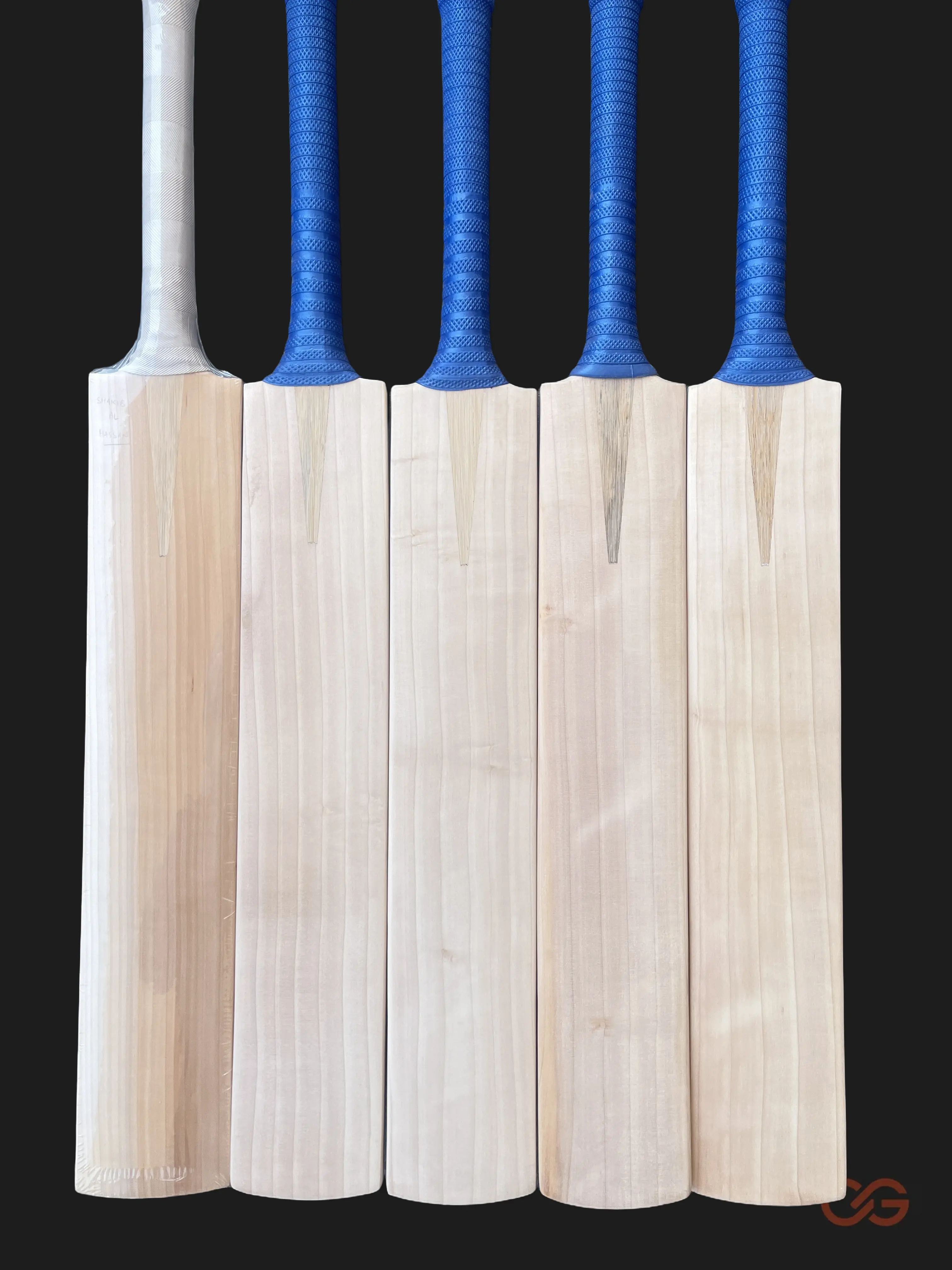
A Type D bat is made from up to three pieces of wood. The face can still be high-quality willow. Other wood is used behind it for structure. It is still a wooden cricket bat in every meaningful sense. The difference is how it is built, not what it is.
Until now, laminated bats were largely confined to junior cricket. From October, adult recreational players can use them too.
The Four Bat Types
Most players have never needed to think about bat classifications. Here is a quick breakdown.
MCC classifies cricket bats into four types:
Type A is the standard single-piece willow bat. The one most senior players have always used.
Type B is also single-piece, but allows small inserts at the toe or sides.
Type C is single-piece with a cloth covering over the blade.
Type D is the laminated bat, built from up to three pieces of wood.
Types A, B, and C have been legal in senior cricket for some time. Type D is what changes from October 2026. Understanding where it sits in this framework makes the MCC decision easier to read. It is not a new category invented from scratch. It is an existing category being extended to adult recreational play.
The Problem Behind the Change
The driver here is not technology. It is economics and ecology.
Good bat willow takes many years to mature. Supply has not kept pace with global demand. Bat prices have climbed sharply. Reuters has reported that top-end bats can now approach £1,000 (approximately ₹1,23,000). That figure sits uncomfortably alongside the reality of most club cricket budgets.
Lamination allows more of each willow tree to be used. With a traditional single-piece bat, only specific sections of the tree meet the grade. With laminated construction, smaller or lower-quality sections can be used structurally. Quality willow is reserved for the face. More of each tree becomes usable. Prices may not fall immediately, but the pressure pushing them upward could ease.
Why Recreational, Not Professional?
MCC has been clear on this. The change is about accessibility, not performance. It does not expect laminated bats to offer a meaningful performance advantage over traditional bats. Top-level cricket will continue with single-piece willow.
At the professional level, equipment standards are tightly controlled. Any ambiguity around performance is carefully avoided. This change belongs at the level where it matters most: the club player funding their own kit, week after week.
What It Means for Players and Buyers
The real-world impact depends on two things. How manufacturers respond, and how players receive the bats.
If laminated bats perform reliably and earn trust on club grounds, they could open up genuine alternatives for budget-conscious buyers. Club players, parents, coaches equipping junior programmes. The test will not be technical. It will be felt in the hands.
Does the bat feel right? Does it perform? Is it worth the price?
Those are the only questions that will matter to most players come October.
If a bat performs well, lasts longer, and costs less, does the method of its construction change your relationship to it?